


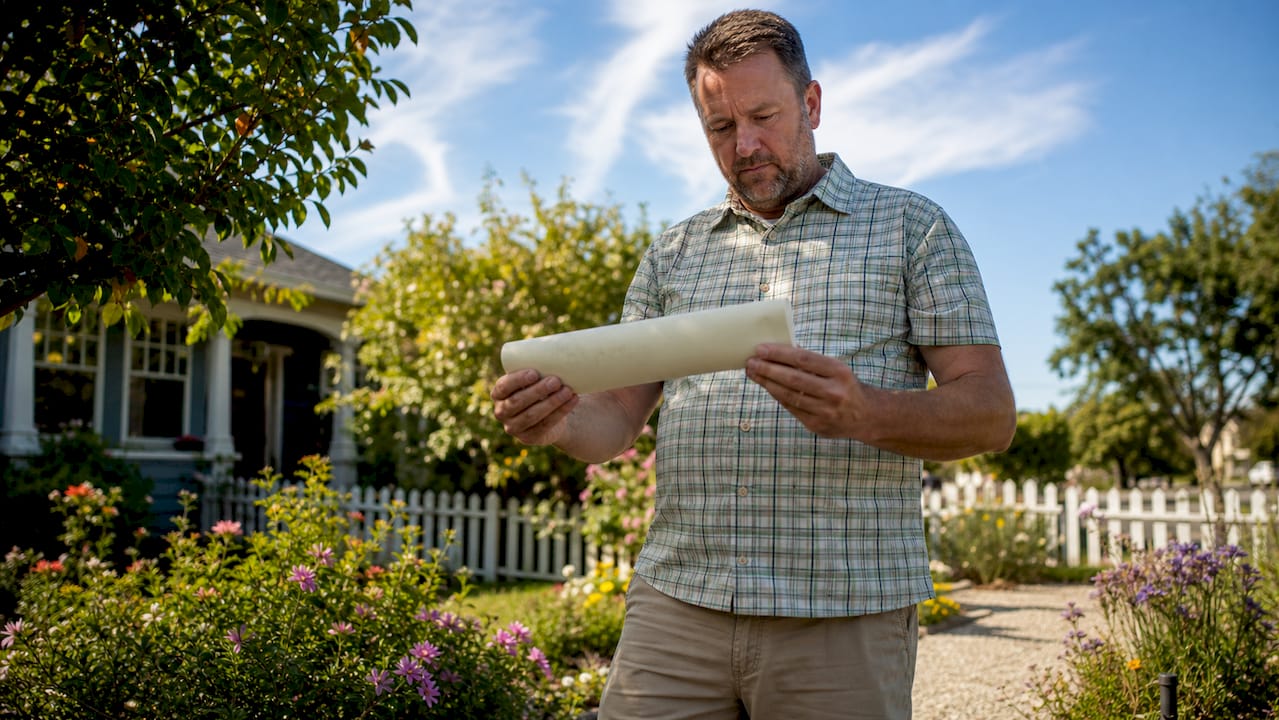
Most Berkeley property sales require a Sewer Lateral Certificate (SLC) before escrow can close, and major building permits over $60,000 trigger the same requirement under Berkeley Municipal Code Chapter 17.24. If you are buying, selling, or planning a significant renovation, PSL compliance is not optional. Here is what to do right now.
Three actions to take within 7–14 days when a sale or permit is pending:
- Check the City portal. Search your property address on the City of Berkeley PSL portal to see if a valid SLC already exists or if a replacement permit was issued within the last 20 years.
- Gather documentation. Locate any plumbing or PSL permits, signed job cards, or prior SLC certificates. Informal contractor receipts do not satisfy the City’s requirements.
- Hire a licensed contractor. If no valid SLC or qualifying permit exists, engage a California-licensed plumbing or sanitation sewer contractor to pull a PSL permit and schedule a City-witnessed verification test.
Sellers who catch a missing SLC before listing avoid the most common cause of last-minute escrow delays in Berkeley. Buyers who request SLC documentation during due diligence protect themselves from inheriting a repair bill after closing.
Table of Contents
- What is a private sewer lateral, and who is responsible for it?
- When does Berkeley require PSL verification or a certificate?
- What does Berkeley actually require to pass inspection?
- How do you obtain a Berkeley Sewer Lateral Certificate?
- What are your options when repairs can’t be done before closing?
- What does sewer lateral repair or replacement cost in Berkeley?
- Escrow-ready checklist for Berkeley buyers and sellers
- Key Takeaways
- What an experienced agent actually does during PSL compliance
- Kenneth Hogan helps Berkeley buyers and sellers manage PSL compliance
- Official sources, forms, and contacts for Berkeley PSL compliance
What is a private sewer lateral, and who is responsible for it?
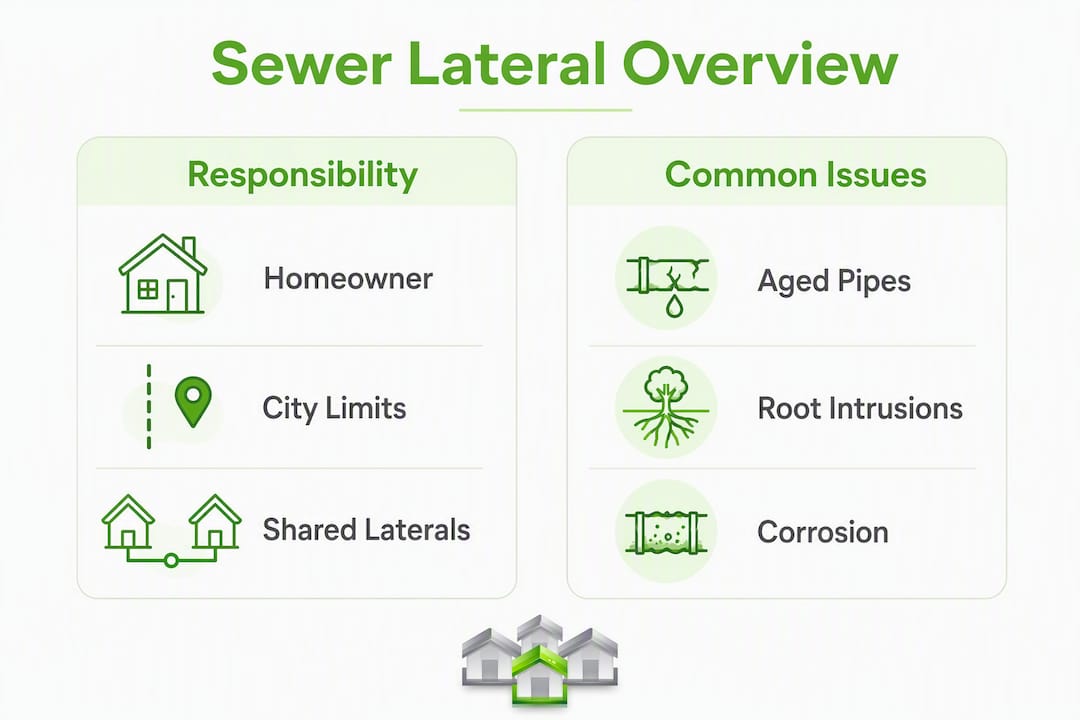
The Private Sewer Lateral (PSL) is the section of sewer pipe that runs from your building’s drain to the connection point at the public main in the street. The City of Berkeley defines this as privately owned infrastructure, which means the property owner carries full responsibility for maintenance, testing, repair, and replacement. The City maintains the public main; everything from the building to that connection point is yours.
This distinction matters in escrow because the PSL’s condition is not covered by a standard home inspection. Most general inspectors do not run a camera to the city main, so a failing lateral can go undetected until the City’s verification test reveals it.
Common failure causes include aging clay, Orangeburg, or cast-iron pipe that has cracked or corroded over decades. Root intrusion from street trees and yard plantings is a frequent culprit in Berkeley’s older neighborhoods. Bellied sections, where the pipe sags and holds standing water, are another common finding. Understanding these failure modes helps owners anticipate what a verification test might uncover before they are under contract.
When does Berkeley require PSL verification or a certificate?
Berkeley’s PSL Compliance Guide identifies four situations that trigger the SLC requirement:
- Point of sale / transfer of title. An SLC must be in place by close of escrow. If repairs cannot be completed in time, a six-month extension is available with the proper paperwork and a $4,500 deposit or a signed contractor contract.
- Building permits over $60,000. Any project valued above that threshold requires a valid SLC before the City will issue the building permit.
- City-declared public nuisance. If the City determines a PSL is causing a nuisance (typically through infiltration or exfiltration), the owner must obtain an SLC regardless of any pending transaction.
- Voluntary repair or replacement. When an owner elects to repair or replace a PSL, verification testing and certificate issuance follow automatically.
Shared laterals and condos receive the same treatment under the ordinance. A shared lateral serving multiple units requires all connected owners to coordinate compliance, which can complicate timelines for condo sales. Buyers of duplex and multi-unit properties should confirm which units share a lateral and whether a single SLC covers the entire run.
The underlying purpose, per BMC Chapter 17.24, is to prevent stormwater infiltration into the sanitary sewer system, a requirement tied to federal and state mandates protecting the San Francisco Bay watershed.
What does Berkeley actually require to pass inspection?
The City’s technical and administrative standards are specific, and knowing them before you hire a contractor saves time and money.
Proof of compliance takes one of two forms. A property can satisfy the requirement by showing evidence that the lateral was fully replaced within the last 20 years under a valid City-issued permit, or by passing a current verification test. The 20-year rule requires formal documentation: a City-signed plumbing or PSL permit and job card. A homeowner’s statement or an informal contractor receipt is not sufficient. Without that paperwork, the City will require a new PSL permit and a witnessed verification test.
Certificate durations reflect the method used. A full replacement with a valid permit earns a 20-year SLC. A passing verification test without full replacement earns a 7-year SLC. That difference affects how soon the next owner will face the same process.
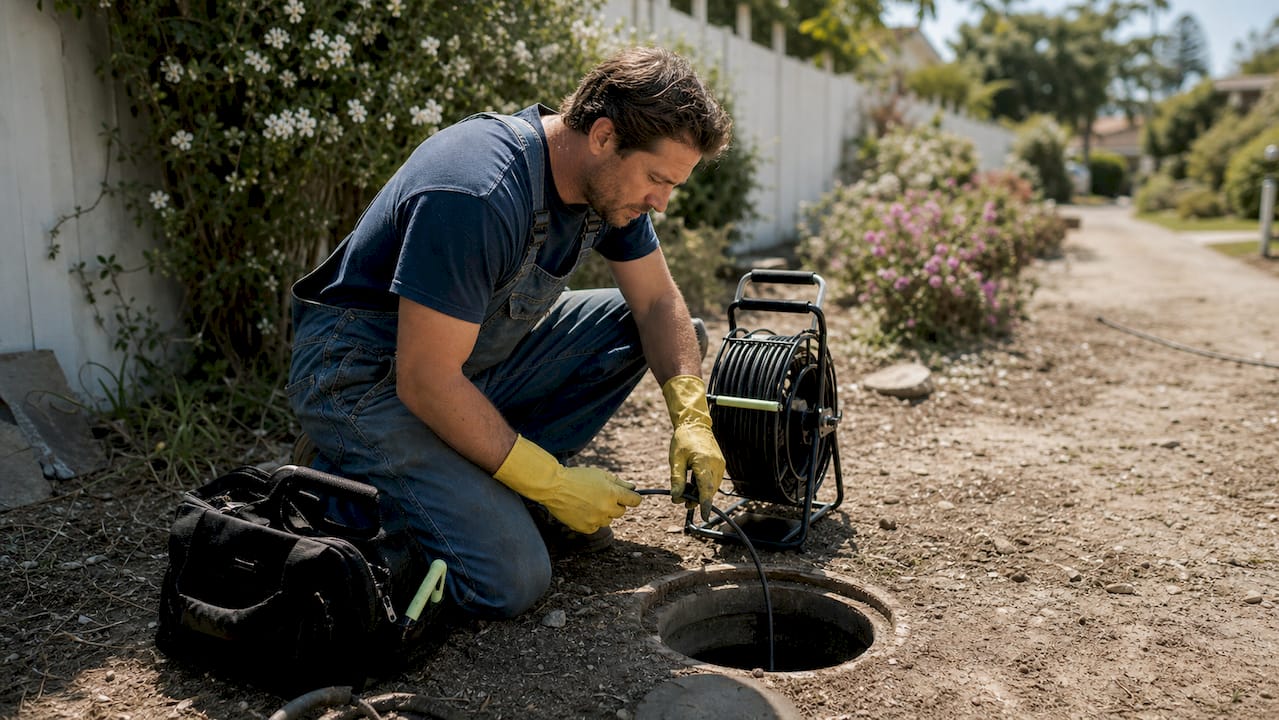
Testing and contractor requirements are non-negotiable. Verification tests must be performed by a California-licensed plumbing or sanitation sewer contractor and witnessed by a City inspector. CCTV equipment must be available onsite if the inspector requests it. Critically, the City no longer accepts a CCTV submission alone as proof of compliance; the witnessed verification test is mandatory.
Processing time: The City anticipates five city business days to review an application and issue either an SLC or a Notice of Deficiency. Build that lag into your escrow timeline.
How do you obtain a Berkeley Sewer Lateral Certificate?
-
Check the City portal first. Search your property address on the Berkeley PSL online portal. If a valid SLC or a replacement permit issued within the last 20 years appears, you may already be compliant. Download or print that documentation before listing.
-
Pull a PSL permit if no valid record exists. Engage a California-licensed plumbing or sanitation sewer contractor. The contractor pulls the PSL permit through the City’s permit system before any work or testing begins.
-
Complete repairs or schedule the verification test. If the lateral needs repair or replacement, the contractor performs the work under permit. If the lateral appears intact, the contractor schedules a verification test using the City’s guidelines. The test must be witnessed by a City inspector, and CCTV equipment must be onsite if requested.
-
Submit the PSL Certificate Application. After a passing test or a final permit sign-off, submit the PSL Certificate Application to the Public Works Engineering Division. Attach the signed job card or verification test sign-off. Incomplete applications are not processed.
-
Allow five city business days for the City to issue the SLC. Once the application is complete and the inspection sign-off is submitted, the City processes the certificate within that window. If the lateral fails, the City issues a Notice of Deficiency instead, which outlines the required repairs before an SLC can be granted.
Pro Tip: Check the portal and pull permit history before you set a listing date. Discovering a missing SLC after you are in contract compresses your timeline and gives buyers leverage. A pre-listing check costs nothing and can prevent weeks of delay.
What are your options when repairs can’t be done before closing?
Extensions, exemptions, and enforcement all follow a defined process under Berkeley’s ordinance.
The six-month extension is the most common tool for sellers who cannot complete repairs before close. To qualify, the owner submits an Agreement for Time Extension along with either a $4,500 deposit or a signed contractor contract committing to completing the work within six months. If the work is not completed within that window, the deposit is forfeited and the City may complete the repairs and bill the owner or place a lien on the property.
Building permit deferrals are available in limited circumstances when a project triggers the PSL requirement but the owner can demonstrate that compliance would be disproportionately burdensome. The City may record a Notice of Limitation on the property in those cases.
Notices of Deficiency are issued when a verification test fails. The NOD specifies what must be repaired or replaced before the City will issue an SLC. Owners have a defined period to address the deficiency; ignoring it leads to escalating enforcement.
Financial assistance is narrowly available. Low-income property owners may qualify for City PSL repair loans, but only when the City has declared the PSL a public nuisance. Routine point-of-sale compliance does not qualify. If you believe you may be eligible, contact the City’s PSL program directly before assuming assistance is available.
What does sewer lateral repair or replacement cost in Berkeley?
Cost varies significantly based on method, pipe length, depth, and site conditions. The table below reflects Bay Area ranges from current market data.
| Scope | Typical Bay Area Range | Notes |
|---|---|---|
| CCTV camera inspection | — | Needed before any repair quote; required for verification evidence |
| Spot repair / liner patch | — | Effective for isolated cracks; not suitable for bellied or collapsed pipe |
| CIPP lining (trenchless) | $7,000–$15,000 | Preserves hardscape; cannot correct bellies or full collapses |
| Pipe bursting (trenchless) | $9,000–$18,000 | Upsizes pipe diameter; still requires some excavation at entry/exit points |
| Full open-trench replacement | $8,000–$18,000 | Necessary for bellied lines, collapsed sections, or deep runs |
| Permits and encroachment fees | Varies | Varies by scope; street cuts require separate encroachment permits |
Costs climb when the lateral runs under a driveway, sidewalk, or street, when soil conditions require shoring, or when the pipe must be upsized to meet current code. A failed first verification test also adds re-inspection fees and contractor return trips.
Pro Tip: Trenchless methods save on surface restoration costs and are faster, but they are not always the right call. If the camera shows a belly or a fully collapsed section, open-trench replacement is the only viable option. Ask your contractor to show you the CCTV footage and explain why they are recommending one method over the other. If your yard has existing hardscape, understanding restoration costs upfront can help you budget accurately before work begins.
Escrow-ready checklist for Berkeley buyers and sellers
For sellers
- Verify SLC status on the City portal before setting a list date.
- Locate all plumbing and PSL permits and signed job cards for any work done in the last 20 years.
- If no valid SLC or qualifying permit exists, schedule a licensed contractor for a camera inspection and verification test.
- Disclose PSL status to buyers in writing before accepting offers.
- If repairs cannot be completed before close, prepare the Agreement for Time Extension and the $4,500 deposit or a signed contractor contract.
- Work with your listing agent to build PSL status into the listing timeline and disclosure package.
For buyers
- Include a PSL contingency in your offer, specifying whether the seller must obtain the SLC before closing or whether a credit or extension deposit is acceptable.
- Request copies of any existing SLC or replacement permits during the inspection period.
- Budget for possible repairs if the property has no SLC and no qualifying permit history. Bay Area full replacements commonly range widely depending on method and site conditions.
- For first-time buyers, PSL compliance is often unfamiliar territory. Ask your agent to walk through the portal check and explain what the documentation means before you remove contingencies.
Contract language options
Sellers can agree to obtain the SLC before closing, which is the cleanest outcome. Alternatively, buyers can accept a price credit or an extension deposit in lieu of a completed SLC, with the seller committing to complete repairs within six months. Either approach works, but the terms must be explicit in the purchase agreement. Kenneth Hogan can help draft contingency language that protects both parties and keeps the transaction on track.
Key Takeaways
Berkeley’s PSL program requires most property sales and major permits to carry a valid Sewer Lateral Certificate, and the fastest path to compliance is checking the City portal for an existing SLC or a qualifying replacement permit before any transaction begins.
| Point | Details |
|---|---|
| Check the portal first | Search your address on the City of Berkeley PSL portal before listing or making an offer. |
| 20-year rule needs proof | A full replacement within 20 years satisfies compliance, but only with a City-signed permit and job card. |
| Allow processing time | The City takes five city business days to issue an SLC after a complete application is submitted. |
| Extension option available | Sellers who can’t finish repairs before close may submit a $4,500 deposit or signed contractor contract for a six-month extension. |
| Kenneth Hogan coordinates compliance | Kenneth Hogan handles portal checks, contractor coordination, and PSL contingency drafting for Berkeley buyers and sellers. |
What an experienced agent actually does during PSL compliance
Most buyers and sellers treat PSL compliance as a contractor problem. It is also a transaction management problem, and that is where an agent’s role is often underestimated.
The practical reality is that a failed verification test or a missing SLC discovered mid-escrow does not just create a repair bill. It creates a negotiation. Buyers use it as leverage to renegotiate price or demand credits. Sellers face pressure to accept terms they would not have agreed to at listing. The difference between a smooth close and a contentious one often comes down to whether the PSL status was known and managed before the offer was accepted.
With over 20 years of local experience in Berkeley and the Greater Bay Area, we have seen this play out enough times to make PSL checks a standard part of our pre-listing process. We pull the portal history, flag any gaps in permit documentation, and coordinate with licensed contractors before the property goes on the market. For buyers, we build PSL contingencies into offers as a matter of course, not as an afterthought.
The six-month extension option is genuinely useful, but it only works when the paperwork is prepared correctly and submitted on time. An extension that is filed late or with incomplete documentation does not protect the seller. Getting the details right under deadline pressure is exactly the kind of work that benefits from an agent who knows the City’s process.
Kenneth Hogan helps Berkeley buyers and sellers manage PSL compliance
Navigating Berkeley’s PSL requirements during a sale or purchase is straightforward when you have the right support in place. Kenneth Hogan provides hands-on coordination for every step: portal checks, contractor referrals, contingency drafting, and escrow timeline management so that PSL compliance does not become a last-minute obstacle.

Whether you are preparing to list, reviewing an offer, or trying to understand what a failed inspection means for your deal, we are ready to help. Our residential real estate services cover Berkeley and the Greater Bay Area, with the local knowledge to move quickly when timelines are tight. Reach out to Kenneth Hogan directly to get your PSL status checked and your transaction on solid ground.
Official sources, forms, and contacts for Berkeley PSL compliance
Use these links to complete next steps, download forms, and contact the City directly.
- City of Berkeley Private Sewer Lateral Program — Program overview, extension forms, loan program summary, and City contact information including phone and email for the PSL program.
- PSL Certificate Application (PDF) — The form to submit after a passing verification test or qualifying permit sign-off. Must be complete before the City begins processing.
This article provides general information about Berkeley’s PSL program and is not a substitute for legal, engineering, or professional advice. Confirm current requirements, fees, and timelines directly with the City of Berkeley Public Works Engineering Division or a qualified licensed contractor.