


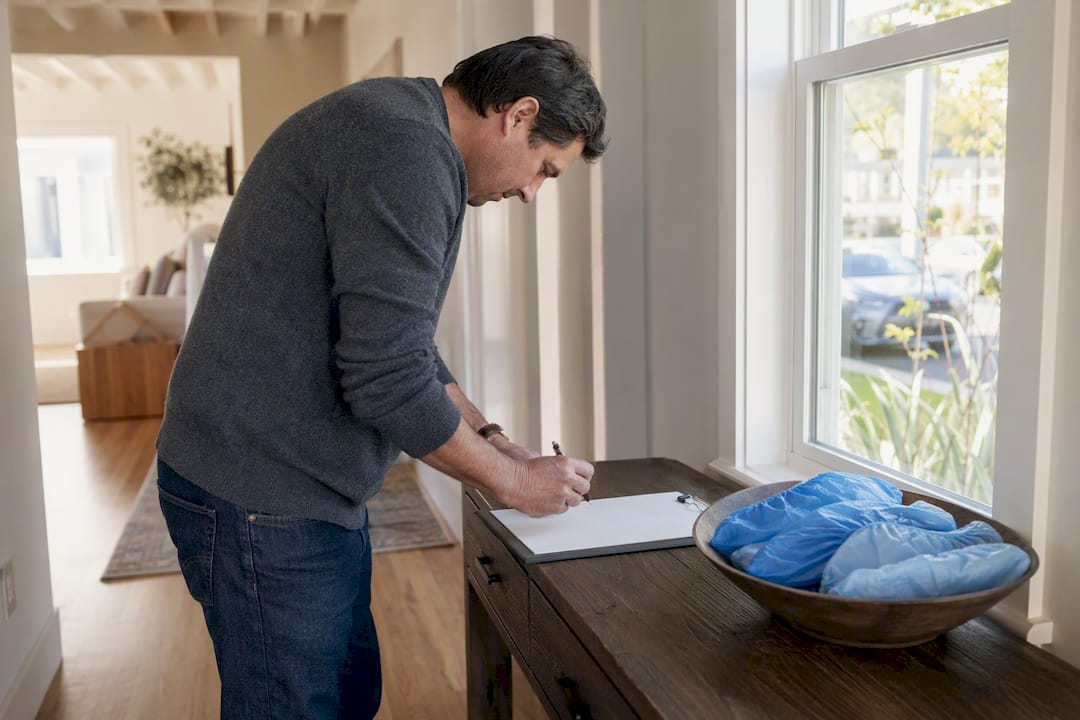
Open house etiquette comes down to five habits: sign in, greet the host, follow posted rules, keep your hands off personal belongings, and never announce your budget or how much you love the place. Do those five things and you’ll be welcome at any showing in Berkeley or anywhere else. The visitors who get remembered for the wrong reasons are the ones who skip the sign-in sheet, snoop through closets, or start negotiating out loud in front of the seller’s neighbor.
Here’s the short version before we get into the details. Do: greet whoever is hosting, sign in with accurate contact information, ask before taking photos, arrive within the posted window, keep kids and pets supervised, and mention upfront if you’re already working with an agent. Don’t: open drawers or medicine cabinets, blurt out your price range, bring food or drinks inside, let children roam unattended, snap photos without asking, or linger so long that other visitors can’t get through.
Guidance from the National Association of Realtors and HUD’s Office of Fair Housing backs most of this up, and we’ll reference both throughout. Kenneth Hogan has hosted hundreds of these events across the Bay Area, and the pattern is consistent: good etiquette isn’t about being stiff or formal. It’s about respecting a stranger’s home while you evaluate whether it should become yours.
Quick mental checklist before you walk in:
- Sign-in sheet: yes, fill it out
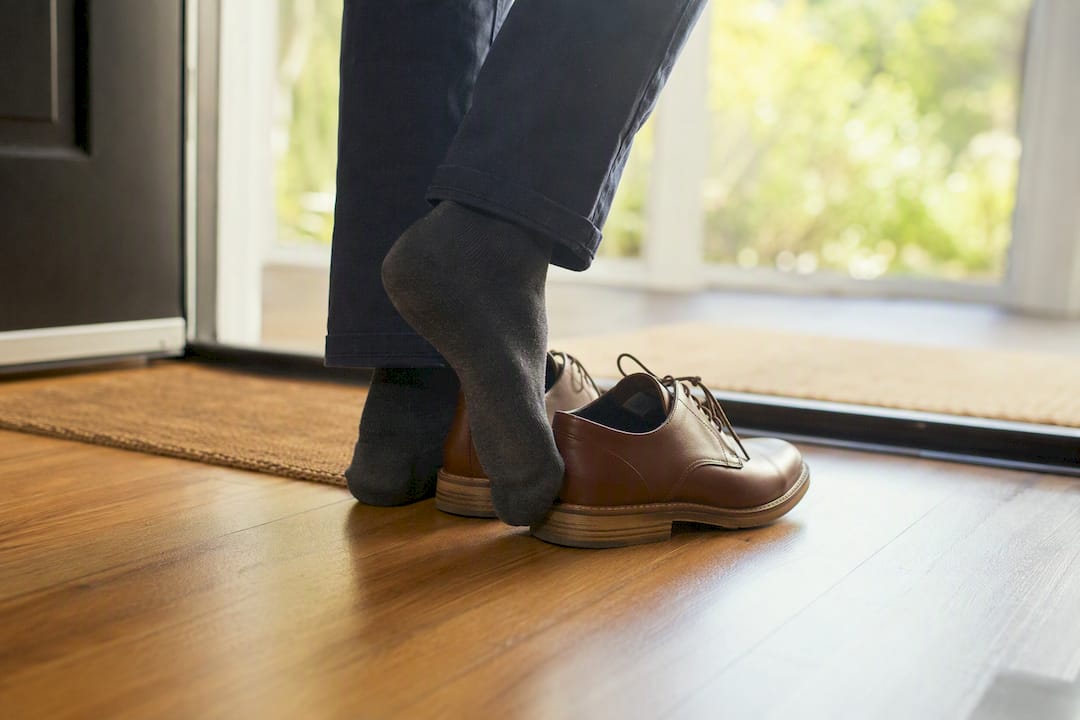
- Shoes: check for a “remove shoes” sign or booties at the door
- Phone: silence it, ask before photographing
- Questions: have two or three ready
- Budget talk: save it for your own agent, not the listing agent
Key Takeaways
Open house etiquette works because it protects the seller’s home, respects the agent’s time, and keeps your negotiating position intact for when it actually matters.
| Point | Details |
|---|---|
| Sign in and greet the host | Both build trust and give the agent an accurate record for safety and follow-up. |
| Keep your budget private | Save exact numbers and negotiating positions for your own agent, not the listing agent. |
| Ask permission before photos | Some hosts restrict photography for privacy; always check before pulling out your phone. |
| No agreement required to attend | NAR guidance confirms touring an open house doesn’t obligate you to sign anything. |
| Get expert follow-up support | Kenneth Hogan helps Berkeley area buyers move from open house to private showing to closing. |
Table of Contents
- What Is an Open House and Who Can Attend?
- Who Hosts an Open House and What Do They Do?
- How Do Open Houses Actually Run?
- How Should You Prepare Before Attending?
- What Should You Do at an Open House?
- What Should You Avoid at an Open House?
- What Should You Say and What Should You Ask?
- Do You Have to Sign an Agreement to Attend?
- What Should You Do After Touring a Home?
- How Should You Handle Special Situations?
- What I Wish Every Open-House Visitor Knew
- How Kenneth Hogan Can Help After Your Open House Visit
- Sources
What Is an Open House and Who Can Attend?
An open house is a scheduled, publicly advertised showing where anyone can walk in during set hours without booking an appointment. No invitation required, no vetting at the door beyond a sign-in sheet.
Three types of people typically show up. Serious buyers come to evaluate a specific property against their needs and budget. Casual browsers attend out of curiosity, sometimes to research design ideas or just see what’s on the market in their neighborhood. Neighbors drop by because they’re nosy about pricing or renovations next door, and Miss Manners at the Washington Post has noted this is perfectly acceptable as long as you’re honest about it. Buyer’s agents also visit to preview homes for their own clients.
Sellers and their agents host these events for a simple reason: exposure through an open house selling strategy. One open house can accomplish in two hours what might otherwise take a dozen separate private showings.
Public doesn’t mean rule-free. According to Homelight’s guidance, hosts can reasonably ask you to sign in for safety and follow-up purposes, but they can’t require proof of funds or a mortgage pre-approval just to walk through the door.
Who Hosts an Open House and What Do They Do?
The listing agent runs most open houses. Their job is answering property questions, protecting the seller’s interests, and managing the flow of visitors. They represent the seller, not you, so keep that in mind before sharing anything you wouldn’t want repeated back to the person selling the home.
Sometimes the seller hosts it themselves in a for-sale-by-owner situation. They’ll know the house’s quirks and history better than anyone, but don’t expect market-level expertise on comparable sales or neighborhood trends.
Other agents show up too. Some are previewing the property for their own buyer clients; others are there to network. If you already have a buyer’s agent, say so early. It’s a courtesy, and it’s also the industry-standard practice that keeps everyone’s expectations clear.
- Listing agent: seller’s representative, primary source for property facts
- FSBO host: knows the house, not necessarily the market
- Visiting agents: may be scouting for clients or networking
How Do Open Houses Actually Run?
Most open houses run for a limited window, typically scheduled for a few hours on a weekend afternoon, though weekday evening events aren’t unusual in competitive markets. Traffic tends to cluster in the middle of that window. Arrive right at opening if you want quiet time with the agent; arrive mid-afternoon if you’d rather blend into a crowd and observe unnoticed.
Here’s the typical sequence for a visit:
- Arrive within posted hours and park considerately, leaving driveway access clear for neighbors.
- Sign in at the entry table with your name and contact information.
- Take a listing sheet or flyer if one’s offered.
- Move through the home at your own pace, letting other visitors pass in tighter spaces like bathrooms or closets.
- Ask the listing agent questions once they’re free, rather than interrupting a conversation already in progress.
- Sign out or simply exit when you’re done, no formal goodbye required.
Sign-in sheets exist for two reasons: safety, since agents are often alone in a house full of strangers, and follow-up, since the agent wants to know who to contact if the seller gets an offer. Providing your real name and a working phone number or email is reasonable. You are not obligated to hand over your income, your lender’s name, or your social security number, and any agent asking for that at the door is overstepping.
Visitor flow in a crowded showing means patience. If three people are already in the primary bedroom, check the kitchen first and circle back. If the seller happens to be present, which does happen more often in smaller markets, keep comments neutral. Sellers absolutely notice a raised eyebrow at their wallpaper choice.
Photography rules vary by listing. Some agents welcome photos since they help buyers remember details later. Others prohibit them, often at the seller’s request for privacy. Always ask before pulling out your phone, and never photograph other visitors without asking.
Pro Tip: Arriving during the first thirty minutes usually gets you more one-on-one time with the listing agent, since foot traffic builds as the afternoon goes on. If you have specific questions about the roof, the foundation, or a recent renovation, that early window is when you’ll get a real answer instead of a rushed one.
How Should You Prepare Before Attending?
A little homework before you leave the house turns a passive walkthrough into a productive one. Pull up the MLS listing beforehand and study the photos, square footage, lot size, and property description. Note anything that seems off, like a suspiciously low price for the neighborhood or a listing that’s been active for months, so you can ask about it in person.
What to bring:
- Your phone or a small notebook for jotting down impressions room by room
- Your agent’s business card if you’re already represented, so you can hand it over without an awkward explanation
- A tape measure if you’re checking furniture fit for a specific room
- Comfortable shoes you can slip off easily
You do not need proof of mortgage pre-approval to attend an open house. That paperwork matters once you’re ready to make an offer or request a private showing, not for a casual first look. If a listing agent insists otherwise, politely decline; it’s not a standard requirement, and pushing pre-approval at the door is more about lead generation than protecting the seller.
Dress in smart casual. You’re not interviewing for a job, but you also shouldn’t show up in gym clothes covered in mud. Closed-toe shoes that are easy to remove work best, since many hosts request shoes off to protect flooring, and some provide disposable booties instead. If you see a small basket of booties by the door, that’s your cue.
Safety matters more than people think. If you’re touring alone, especially in an unfamiliar neighborhood, tell someone where you’ll be and roughly when you expect to be done. Keep your purse or bag close, not set down on a random table while you wander. Sign-in sheets exist partly for this reason too. An agent hosting solo wants a record of who came through, and that protects you as much as them.
If you’re planning to hit multiple open houses in one day, which is common on a Saturday in a hot market, prioritize by drive time and listing quality rather than trying to see everything within reach. Three thoughtful visits beat seven rushed ones. Keep a simple note on your phone for each property: address, one standout feature, one concern, and a gut reaction from one to ten. You’ll thank yourself later when three kitchens start blurring together. First-time buyers especially benefit from this kind of structured comparison; our guide on what to know before you start your search covers how to build a shortlist that doesn’t waste weekends.
Pro Tip: Take a photo of the listing sheet at every property, even if you don’t photograph the rooms. It saves you from mixing up which house had the updated furnace and which one had the leaky basement.
What Should You Do at an Open House?
Good behavior at an open house isn’t complicated, but a surprising number of visitors skip the basics.
- Greet whoever is hosting when you walk in, even a simple “hi, thanks for having us” sets the right tone.
- Sign in immediately, before you start touring rooms.
- Ask permission before taking photos or video, especially if other visitors might end up in frame.
- Wait for the agent to finish with another visitor before asking your own questions.
- Move through the home methodically, room by room, rather than doubling back and creating congestion.
- Thank the host on your way out, whether or not you’re interested.
Questions work best when they’re specific enough to get a real answer but general enough that the agent can address the same question for the next ten visitors without repeating a private conversation. “How old is the roof?” beats “would the seller take $50,000 under asking?” every time. Save negotiation questions for your own agent, in private, later.
Sample questions that work well in the moment:
- “How long has this been on the market?”
- “Are there any recent updates to the electrical or plumbing?”
- “What’s the HOA fee, and what does it cover?”
- “Why is the seller moving?”
Inspecting without offending means being curious, not invasive. Opening a kitchen cabinet to check storage space is normal. Opening a nightstand drawer is not. Test a faucet once to check water pressure; you don’t need to run it for five minutes. Look for red flags like water stains on ceilings, uneven floors, or a fresh coat of paint in just one spot, since that sometimes hides a repair. Note what you see, but save the detailed critique for the car ride home.
If you’re already working with a buyer’s agent, a simple script covers it: “Hi, I’m [name], and I’m working with [agent name] at [brokerage]. Just taking a look today.” That single sentence prevents any confusion about representation and respects both agents’ time.
What Should You Avoid at an Open House?
Certain behaviors can quietly sabotage your position as a buyer, even when you don’t realize it in the moment.
Don’t go through personal items. Medicine cabinets, dresser drawers, closets stuffed with someone’s actual clothes: all off-limits. This isn’t just etiquette, it’s basic respect for the fact that a family still lives there until closing.
Don’t reveal your exact budget or your maximum offer, even in a joking tone. Listing agents work for the seller. Anything you say about how much you’re willing to pay can end up shaping the seller’s counteroffer strategy later. According to Redfin’s open house guidance, how you present yourself during a tour directly shapes how seriously agents and sellers take you as a buyer, and oversharing financial details works against that.
Behaviors to avoid entirely:
- Rifling through drawers, closets, or personal belongings
- Announcing your exact budget or maximum offer out loud
- Loudly criticizing the decor, layout, or smell within earshot of the seller or their agent
- Bringing food or open drinks inside
- Letting kids run through the house unsupervised
- Taking photos of other visitors without asking
- Overstaying once you’ve seen what you came to see
Red flags deserve a discreet approach. If you notice a musty smell, water stains near a ceiling corner, or a price that just dropped for no obvious reason, jot it down instead of announcing it to the room. Bring it up privately with your own agent, or ask the listing agent a neutral, factual question like “has there been any water damage in this area?” rather than declaring “this smells like mold” in front of five other visitors.
Emotional reactions cost you leverage. Falling visibly in love with a kitchen, or audibly gasping at a view, tells everyone in earshot, including the listing agent, exactly how motivated you are. That information tends to travel straight back to the seller and can shrink your room to negotiate.
Kids and pets need supervision, not exclusion. Bringing them isn’t rude by itself, but letting a toddler touch every surface or a dog sniff through someone’s backyard unattended is. Food and drinks stay outside, full stop, since spills on someone’s carpet or hardwood are the fastest way to turn a pleasant showing into an uncomfortable one.
What Should You Say and What Should You Ask?
A short, honest introduction goes a long way. When you walk in: “Hi, I’m [name], thanks for having us.” If you’re just browsing for ideas rather than actively house-hunting, say so. Agents appreciate honesty far more than vague deflection, and it saves everyone time.
If you already have representation, mention it early: “I’m working with an agent, just looking today.” If you don’t, and you’re genuinely interested, it’s fine to say that too. Both answers are useful information for the listing agent, and neither one obligates you to anything.
Questions worth asking the host:
- How old are the major systems (roof, HVAC, water heater)?
- Has anything major been renovated or replaced recently?
- What are the HOA rules and monthly dues, if applicable?
- What’s the property tax history?
- Why is the seller selling?
Asking about price history and comparable sales is fair game, but frame it as curiosity rather than a negotiating opener. “How does this compare to other homes that have sold nearby recently?” gets you useful information without tipping your hand.
One question comes up constantly: should you tell the agent you love the house? Generally, no. A little enthusiasm is natural and human, but gushing about how it’s “the one” in front of the listing agent removes your negotiating leverage before you’ve even made an offer. Keep your reaction measured at the open house; save the excitement for your own agent in private.
That single piece of restraint, more than any script or question list, tends to separate buyers who negotiate well from those who overpay because everyone in the room already knew how badly they wanted it.
Do You Have to Sign an Agreement to Attend?
No. You do not need to sign a written buyer agreement to attend an open house, according to the National Association of Realtors’ consumer guidance. Walking through the door and asking a few questions doesn’t create any formal obligation.
The distinction that matters is between casual attendance and actually “working with” an agent. NAR’s guidance describes that relationship starting once an agent begins providing real services on your behalf, like identifying properties that match your criteria or arranging private tours. Chatting with a listing agent at an open house, by itself, doesn’t cross that line.
A written buyer agreement typically becomes relevant when you ask an agent to actively represent your interests, not simply because you toured a home they happened to be hosting. Understanding that difference protects you from feeling pressured into paperwork you don’t need yet.
There’s also a fair-housing layer to this conversation. HUD’s fair housing guidance prohibits agents from asking questions designed to screen buyers based on protected characteristics like family status, national origin, or religion. If a question at an open house feels invasive or off-topic from the property itself, you’re allowed to simply not answer it.
If you’re genuinely interested after a tour, the next step isn’t signing something on the spot. Ask the listing agent whether a private showing is possible, contact your own agent if you have one, or request seller disclosures so you can review the property in more detail before deciding anything.
Pro Tip: If a listing agent pushes you to sign a buyer agreement before you’ve even finished the walkthrough, that’s a signal to slow down. Legitimate agents are usually happy to answer questions and let you take time to think, whether or not you end up working with them.
What Should You Do After Touring a Home?
What happens after you leave the open house often matters more than the visit itself.
- If you’re interested, contact your agent (or the listing agent, if you’re unrepresented) within a day or two to request seller disclosures and ask about scheduling a private, more detailed showing.
- If you’re not interested, a polite exit is enough. You’re not obligated to explain why, though a brief, honest comment (“not quite the layout we need”) is a courtesy some hosts appreciate.
- Compare your notes across every property you toured that day while details are still fresh, using whatever quick rating system you jotted down earlier.
- If a property genuinely fits, move with purpose. In a competitive market, waiting more than a few days to request a private showing or express interest can mean the home is already under contract.
A simple scoring approach helps here: rate each property from one to ten on location, condition, and price relative to comparable sales. Anything scoring low across all three probably isn’t worth a second look. Anything scoring high on two out of three deserves a follow-up call. First-time buyers navigating this stage often benefit from a dedicated buyer’s agent who can move fast on disclosures and private showings once a property clears that bar.
Timing pressure is real in hot Bay Area neighborhoods, where a well-priced home can attract multiple offers within a week. That’s not a reason to rush a decision you’re not ready for, but it is a reason to have your financing and your agent relationship sorted out before you fall for a house.
How Should You Handle Special Situations?
A few scenarios come up often enough to deserve a direct answer.
Neighbors are welcome more often than they think. Being upfront, something like “just curious what’s happening on the block,” is polite and expected, and most agents would rather know than wonder.
Bringing children or pets is fine with real supervision. If a toddler can’t resist touching everything or a dog gets anxious around strangers, it’s often easier on everyone to leave them home this time.
If a showing feels overcrowded or something about another visitor’s behavior feels off, trust that instinct. Step outside, call your companion or agent, and don’t feel obligated to stay somewhere uncomfortable.
Quick reference for edge cases:
- Neighbors: be honest about your curiosity, it’s a normal and accepted reason to attend
- Kids: supervise closely or consider leaving them with a sitter for that visit
- Pets: only bring them if they’re calm around strangers and other animals
- Feeling unsafe: leave immediately, no explanation required
Window-shopping for design ideas rather than actively buying is completely fine too, as long as you’re honest about it if asked. Agents would rather know you’re inspiration-hunting than assume you’re a serious lead who never calls back.
What I Wish Every Open-House Visitor Knew
After more than twenty years showing homes across Berkeley and the wider Bay Area, the mistake I see most often isn’t rudeness. It’s hesitation. Buyers walk through a home they clearly like, ask no real questions, and leave without signing in properly, then wonder later why nobody followed up with them about a price change or a second showing opportunity.
The visitors who get the best outcomes aren’t the ones who charm the room. They’re the ones who ask two or three sharp questions, leave accurate contact information, and are upfront about where they stand, whether that’s “just browsing” or “ready to move in sixty days.” That clarity helps me help you faster, whether I’m hosting the open house or representing you as your own agent.
My one piece of advice, if you take nothing else from this: don’t let politeness stop you from asking about the roof, the taxes, or why the seller is leaving. Those answers matter far more than whether you complimented the paint color on your way out.
How Kenneth Hogan Can Help After Your Open House Visit
Touring open houses on your own gets you a first impression. What it doesn’t get you is someone in your corner who knows which Berkeley streets flood in winter, which HOAs are underfunded, or which “recently renovated” listings are hiding a shortcut behind fresh paint. That’s where a local agent earns their keep.

Kenneth Hogan has spent over twenty years reading the Berkeley and Greater Bay Area market block by block, and that local knowledge shows up in the details: pulling accurate comparable sales, negotiating around inspection issues before they become deal breakers, and getting you into a private showing fast when an open house isn’t enough time to decide. If you’re a first-time buyer trying to figure out which of the homes you toured this weekend is actually worth an offer, our guide for first-time buyers walks through what representation actually looks like once you’re ready. For a broader look at current listings and services across the region, visit Kenneth Hogan’s residential real estate page to see how we work with buyers from first showing through closing. If you toured a home this week and want a second opinion before you make a move, reach out and ask about scheduling a private walkthrough.
Sources
A few official sources are worth bookmarking if you attend open houses regularly.
- Consumer guide to open houses and written agreements — NAR
- Fair Housing — HUD
- 8 Open House Etiquette Tips Every Buyer Should Know – Redfin
These aren’t opinion pieces or marketing content. They’re the actual rules and consumer protections that govern how open houses and buyer relationships are supposed to work.
Recommended
- Top Tips for First-Time Homebuyers: What to Know Before You Start Your Search – Kenneth Hogan Realtor – Compass
- Home Staging Tips to Help Your Property Sell Quickly and For Top Dollar – Kenneth Hogan Realtor – Compass
- 7 Minor Renovations That Will Boost Your Southwest Berkeley Home Value Before Selling – Kenneth Hogan Realtor – Compass
- Listing Agent Services in Berkeley, CA | Kenneth Hogan