


A Berkeley disclosure package is the full bundle of seller-provided documents and reports required to sell a home here: the Transfer Disclosure Statement, the Natural Hazard Disclosure, lead-based paint notices for older homes, and two items unique to this city, the Private Sewer Lateral Certificate and a Home Energy Score under BESO. We recommend sellers start gathering these before listing, since missing certificates are one of the most common causes of escrow delays we see.
TL;DR:
- Sellers should complete and verify the Private Sewer Lateral Certificate and Home Energy Score before listing to avoid escrow delays.
- The Sewer Lateral Inspection is required for most property transfers and must be resolved before escrow closes, with extensions available for failed inspections.
- Most small residential buildings in Berkeley need a valid BESO Home Energy Score report issued within five years, or sellers must apply for a deferral.
- Deliver the full disclosure package early to prevent buyers from exercising rescission rights based on late or incomplete documents.
- Collect and organize all relevant permits, inspection reports, and rental documents in advance to streamline the sale process and minimize delays.
Table of Contents
- What belongs in a standard California disclosure package
- Berkeley-specific certificates and local rules you must include
- When disclosures are due and what rights buyers have
- Seller checklist: documents to assemble before you list
- Common pitfalls, delays, and how to prevent them
- How experienced agents prepare disclosure packages in Berkeley
- How Kenny Hogan helps you put together a compliant package
- Where to verify these requirements yourself
- Sources
- FAQ
What belongs in a standard California disclosure package
Every home sale in the state runs on the same foundation of paperwork, and understanding it first makes the Berkeley-specific pieces easier to place.
The Real Estate Transfer Disclosure Statement (TDS) is the core document. Under California Civil Code §1102, sellers must state what they know about the property’s condition, including defects, past repairs, and material facts that could affect value. The Natural Hazard Disclosure (NHD) reports whether the property sits in a flood zone, fire hazard severity zone, earthquake fault zone, or other state-mapped risk area, and recent legislation has expanded what fire-zone information sellers must report. For homes built before 1978, federal law adds a separate requirement, covered below.
Beyond these, most Berkeley sales include a set of supporting reports that back up what the TDS states:
- Pest inspection report noting active infestation or damage
- Roof and structural inspection findings
- Permit history for additions, remodels, or system upgrades
- HOA documents and CC&Rs, when the property is part of an association
- A preliminary title report from escrow
These supporting documents do not replace the TDS. They give buyers evidence for the statements sellers make in it.
Berkeley-specific certificates and local rules you must include
Two Berkeley ordinances go beyond what state law requires. Sellers who skip them often lose weeks at the worst possible moment in escrow.
The Building Energy Saving Ordinance (BESO) requires sellers of small residential buildings to complete an energy assessment before listing. A Registered BESO Assessor produces a Home Energy Score (HES), and the seller must include that report in the disclosure package and list the score in the MLS listing notes. According to the BESO Compliance Guide, a Home Energy Score report remains valid for a defined period, and failing to comply can bring a penalty. Sellers who prefer not to complete the assessment before listing can defer it to the buyer through a formal application and fee.
A Home Energy Score is valid for five years, according to Berkeley’s BESO guide, so a seller who sold a similar property recently may already have a usable report on file.
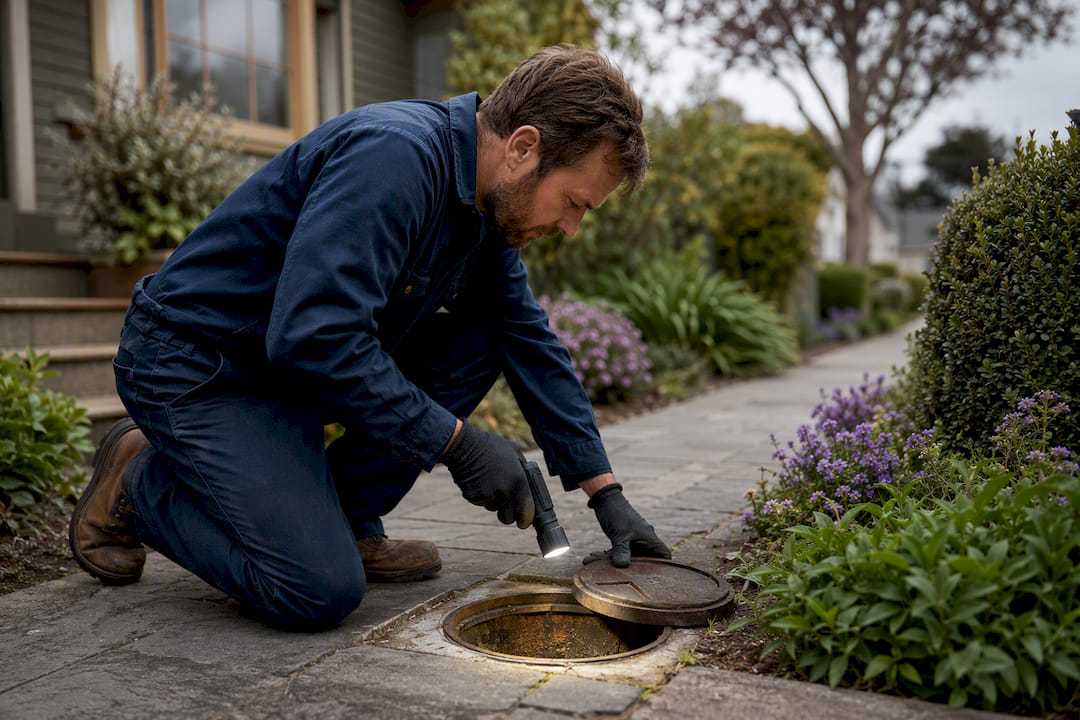
The second local requirement is the Private Sewer Lateral Certificate (SLC). Berkeley requires most property transfers to include a certified sewer lateral inspection before close of escrow, according to the City of Berkeley. If the lateral fails inspection, sellers can request a six-month extension by paying a $4,500 deposit or signing a contract with a licensed plumbing contractor to complete the repair within that window.
Sellers of rental units carry an additional layer. Berkeley’s Rent Board maintains property files that track registration status, and buyers should request a printout as part of due diligence. Include current lease copies, rent-roll details, and any deposit transfer records so the new owner inherits accurate tenant information rather than a paperwork gap.
Here are the primary portals worth bookmarking:
- Berkeley’s BESO compliance and assessment portal
- The city’s Private Sewer Lateral program page
- The Rent Board’s sale-of-property guidance page
When disclosures are due and what rights buyers have
Timing determines whether a disclosure package protects a seller or exposes one.
- Deliver the TDS as soon as practicable and before the transfer of title. Under Civil Code §1102.3, buyers who receive it after they’ve signed an offer get three days to terminate if delivery was in person, or five days if it arrived by mail.
- Sequence the SLC and BESO items early, since both can take days or weeks to schedule, and Berkeley expects the SLC resolved before escrow closes.
- For pre-1978 homes, federal rules give buyers a 10-day window to test for lead paint before they’re bound to the contract, so build that into your inspection timeline.
Delivering the full package early, rather than piecemeal, gives buyers less reason to invoke these rescission rights and keeps escrow on schedule.
Seller checklist: documents to assemble before you list
A complete package rarely comes together at the last minute, which is why we walk sellers through this list before a home ever hits the market.
- Legal forms: completed TDS, NHD, lead-based paint disclosure and pamphlet acknowledgment for homes built before 1978, and any local option disclosures
- Local certificates: a valid SLC or documented extension, plus the BESO Home Energy Score report or signed deferral paperwork
- Inspection and permit records: pest, roof, foundation, and HVAC reports, along with contractor invoices and permits for work completed within the last 18 months, which AB 968 now requires sellers to disclose
- Rental documentation: Rent Board property file, current leases, rent-roll, and deposit transfer receipts for tenant-occupied properties
Pro Tip: Build a single digital folder organized by category and share it with escrow and title the day you accept an offer. It saves everyone from chasing down documents during the contingency period.
Common pitfalls, delays, and how to prevent them
The same handful of problems account for most of the disclosure delays we’ve seen in Berkeley transactions.
- Waiting until an offer arrives to order the SLC inspection, which can push closing back weeks if the lateral needs repair
- Assuming a home qualifies for a BESO exemption without confirming it with a registered assessor
- Forgetting to gather contractor invoices and permits for recent work, which AB 968 now requires sellers to disclose
- Skipping the Rent Board file request on a rental property, which can surface unpaid registration fees after the sale closes
Order the sewer lateral test and BESO assessment the same week you decide to sell, not after you accept an offer. That single change resolves most of the delays above before they start.
How experienced agents prepare disclosure packages in Berkeley
In our experience, the sellers who avoid delays start the SLC and BESO process before they ever list, not after an offer lands. We recommend confirming sewer lateral status and scheduling a Registered BESO Assessor in the first week of preparing a home for sale, then using the escrow period to finalize inspection reports and permit records rather than chase them under deadline pressure. Coordinating these city-specific steps is where a local agent earns their keep.
— Kenneth
How Kenny Hogan helps you put together a compliant package
Assembling a Berkeley disclosure package means coordinating BESO assessors, licensed plumbers for sewer lateral verification, inspectors, and escrow, often all at once. An experienced local agent works alongside Berkeley sellers to manage that coordination directly, drawing on local experience with the city’s certificate requirements.
Our support for sellers includes:
- Referrals to vetted BESO assessors and licensed plumbing contractors for SLC verification
- Guidance gathering permits, contractor invoices, and inspection reports before you list
- Full listing agent support, from pricing strategy through closing
If you own a pool, buyers often check its maintenance history as part of their own due diligence, so include recent service records in your package where relevant. Reach out through our services page to schedule a consultation before you put your Berkeley property on the market.
Where to verify these requirements yourself
Confirm current rules directly with the City of Berkeley’s PSL program, the BESO compliance guide, the EPA’s lead disclosure rule, and DRE guidance on transfer disclosures.
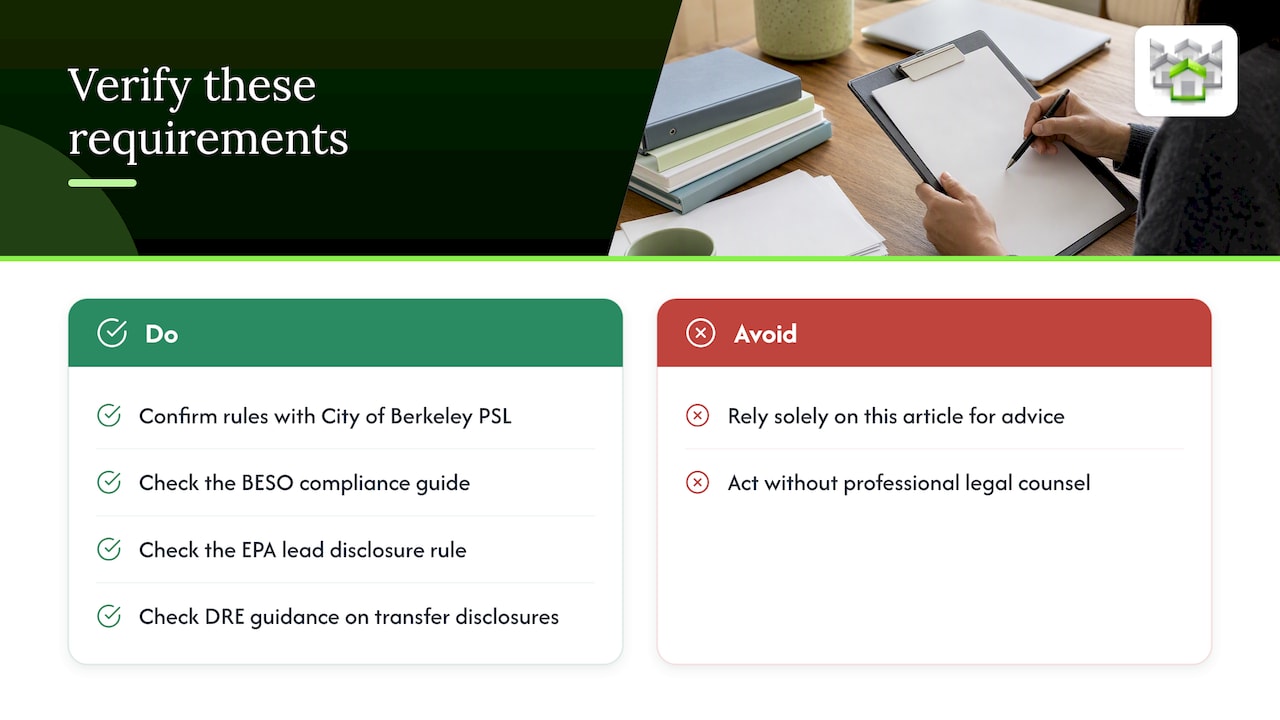
This article is general information, not a substitute for advice from a qualified lawyer. Consult a qualified legal professional about your own circumstances before acting on anything here.
Sources
- BESO Compliance Guide 2026
- Lead-based paint disclosure rule — EPA
- Disclosures in Real Property Transactions (RE 6) — California DRE
FAQ
What is a disclosure package in a Berkeley home sale?
A disclosure package is the complete set of seller-provided documents required for a residential sale, including the Transfer Disclosure Statement, Natural Hazard Disclosure, and Berkeley’s local certificates. It also includes supporting reports like pest and roof inspections that back up the seller’s statements.
Do I need a Sewer Lateral Certificate to sell in Berkeley?
Yes, Berkeley requires a Private Sewer Lateral Certificate before close of escrow for most property transfers, according to the City of Berkeley. If the lateral fails inspection, sellers can request a six-month extension with a $4,500 deposit or a signed contractor agreement.
What happens if I deliver disclosures late?
Buyers gain the right to terminate the offer if they receive disclosures after signing, with three days to cancel following in-person delivery or five days following delivery by mail, under Civil Code §1102.3. Delivering the full package early avoids putting your closing timeline at risk.
Does my Berkeley home need a Home Energy Score before I list it?
Most small residential buildings in Berkeley must complete a BESO energy assessment and obtain a Home Energy Score before listing, valid for five years according to the city’s compliance guide. Sellers who prefer not to complete it beforehand can apply to defer the assessment to the buyer.
What if my house was built before 1978?
Federal law requires sellers to disclose known lead-based paint hazards, provide the EPA pamphlet, and give buyers a 10-day window to test before they’re bound to the contract, per the EPA’s disclosure rule. Signed acknowledgments must be kept on file for three years after the sale closes.